|
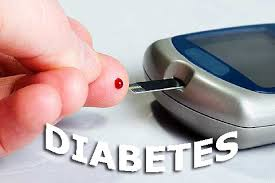
Diabetes
Diabetes
is where the amount of sugar in the blood is too high. When you
have Diabetes the body is unable to make a hormone called insulin
or is unable to use this insulin as well as it should, which
causes the sugar to be too high.
There are two types of Diabetes, these are:
The main symptoms of Diabetes include:
Diabetes is a chronic condition, which means that it is a long
term health condition. There are treatments that, together
with a healthy lifestyle, can help to reduce the risk of
developing the long term complications of Diabetes such as heart
attack and stroke.
Living with a long-term health condition can be a
daily challenge.
Whether you are newly diagnosed or have lived with your
condition for many years, you will have different ways of coping
with your condition.
Being in control of your condition is the key to
being able to enjoy life. The more in control you feel, the less
your condition will restrict your life and the better your health
and wellbeing will be.
Taking care of your own health and having the information,
confidence and support to make the right decisions about your
health is called ‘self care’. Self care means that you take steps
to look after yourself so that you can manage your life and not
just your condition.
Information related to
prevention,
diagnosis,
treatment, and living
with your condition and
follow up care
help
raise the awareness and risk factors associated with your long
term condition.
|